The Art and Science of UI/UX Design: Creating Seamless Digital Experiences
UIUX Design
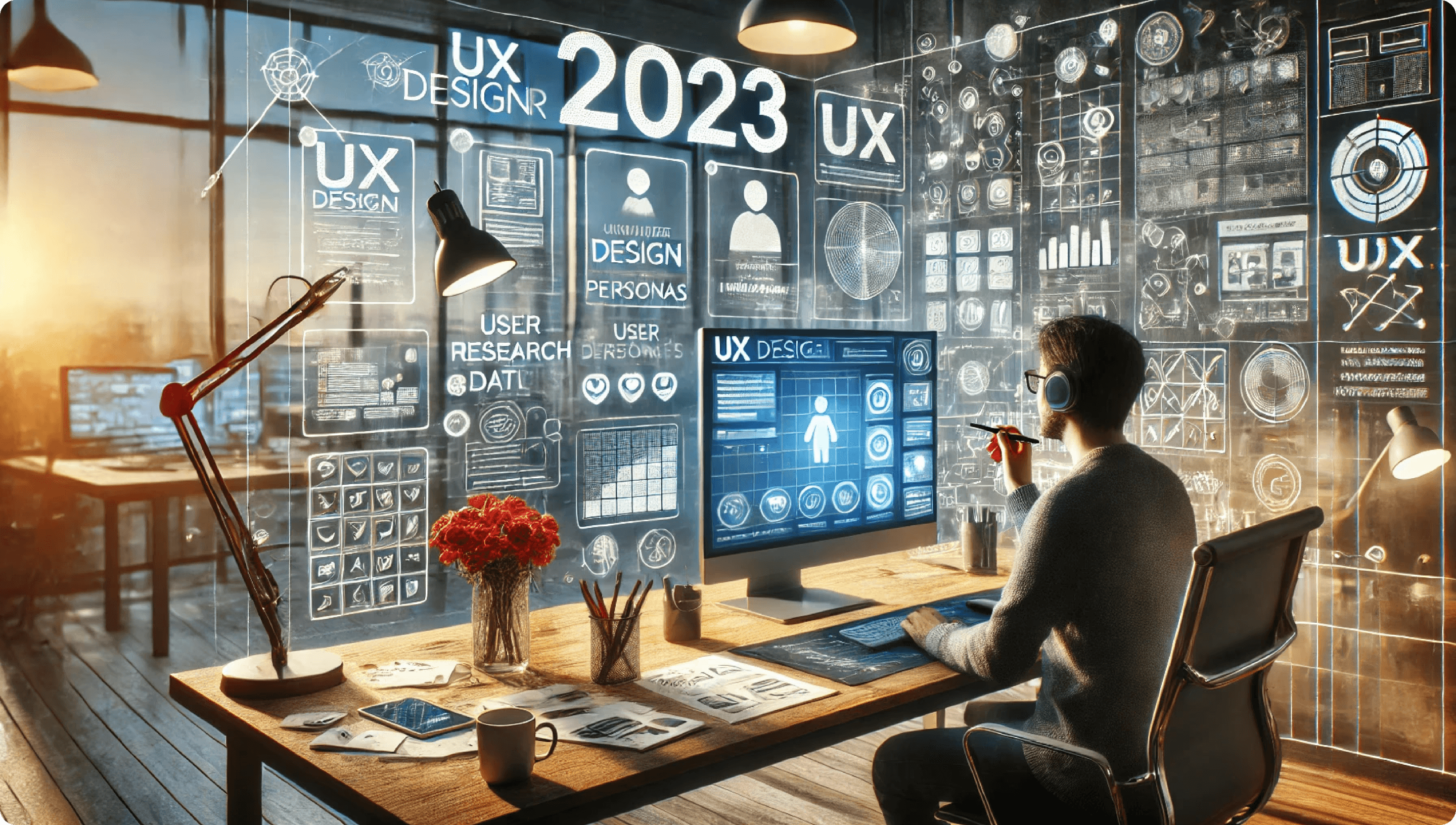
In today’s digital age, where technology influences almost every aspect of our lives, UI/UX design has emerged as a cornerstone of successful digital products. Whether it’s a mobile app, a website, or any digital platform, creating an experience that delights users while meeting business goals requires a harmonious blend of creativity, empathy, and strategy.
UI (User Interface) and UX (User Experience) design are two interconnected yet distinct disciplines. Together, they shape how users interact with digital products. UI design focuses on the visual aspects, including layout, typography, color schemes, and interactive elements that make the product visually appealing and intuitive. UX design, on the other hand, centers on the overall journey of a user, ensuring that the product is functional, easy to use, and aligned with user needs. Both aspects are critical in creating a product that not only looks good but also feels good to use.
The importance of UI/UX design cannot be overstated. A well-designed user interface makes a strong first impression, showcasing professionalism and encouraging users to explore further. Beyond aesthetics, a seamless user experience ensures that users can navigate the product without frustration, which is vital for retaining their interest. In the business context, excellent UI/UX design can drive conversions, build brand loyalty, and offer a competitive edge in an increasingly crowded digital marketplace.
Creating impactful designs requires following a structured process. It begins with research and empathy, where designers seek to understand the target audience through interviews, surveys, and competitor analysis to identify user pain points and preferences. This is followed by information architecture (IA), where content and features are organized logically to ensure intuitive navigation. Designers then create wireframes—skeletal blueprints of the product—and prototypes that simulate real interactions. These prototypes are tested with users to gather feedback and refine the design. The visual design phase brings the product to life with colors, typography, and animations that align with the brand’s identity. Finally, regular testing and iteration ensure that the product is polished and ready for launch.
To achieve excellence in UI/UX design, adhering to best practices is essential. Consistency across fonts, colors, and design patterns helps create a cohesive experience. Accessibility should always be a priority to ensure inclusivity for users with varying abilities, such as those with visual or auditory impairments. Given the growing dominance of mobile devices, adopting a mobile-first design approach is crucial. Simplifying navigation and avoiding information overload enhances usability, while interactive elements like buttons and forms should provide immediate feedback to guide users effectively.
As technology continues to evolve, new trends are shaping the future of UI/UX design. Voice interfaces are becoming increasingly common with the rise of voice-activated assistants like Alexa and Siri. AI-powered personalization is enabling designers to create tailored experiences based on user behavior. Features like dark mode, which reduce eye strain and improve battery life, are growing in popularity. Additionally, microinteractions—subtle animations and feedback during user interactions—are making digital products more engaging and delightful.
Ultimately, UI/UX design is about more than just creating attractive interfaces; it’s about crafting meaningful experiences that solve problems and resonate with users. By adopting a user-centered approach, designers can create products that are both functional and enjoyable to use. Whether you are an experienced designer or new to the field, always remember that great design begins with empathy and ends with impact. The ability to understand and address user needs will distinguish your work in an ever-evolving digital landscape.